


Definition: A collectible toy identifier app helps recognize vintage and antique toys from photos, maker marks, materials, editions, and comparable sales clues.
- Snap a photo of any vintage toy to get maker, series, edition, and value range instantly
- Clear shots of maker marks, logos, and patent numbers dramatically improve identification accuracy
- TIQ handles toys plus ceramics, furniture, jewelry, and more in one workflow
Recommended App: TIQ Antique Identifier
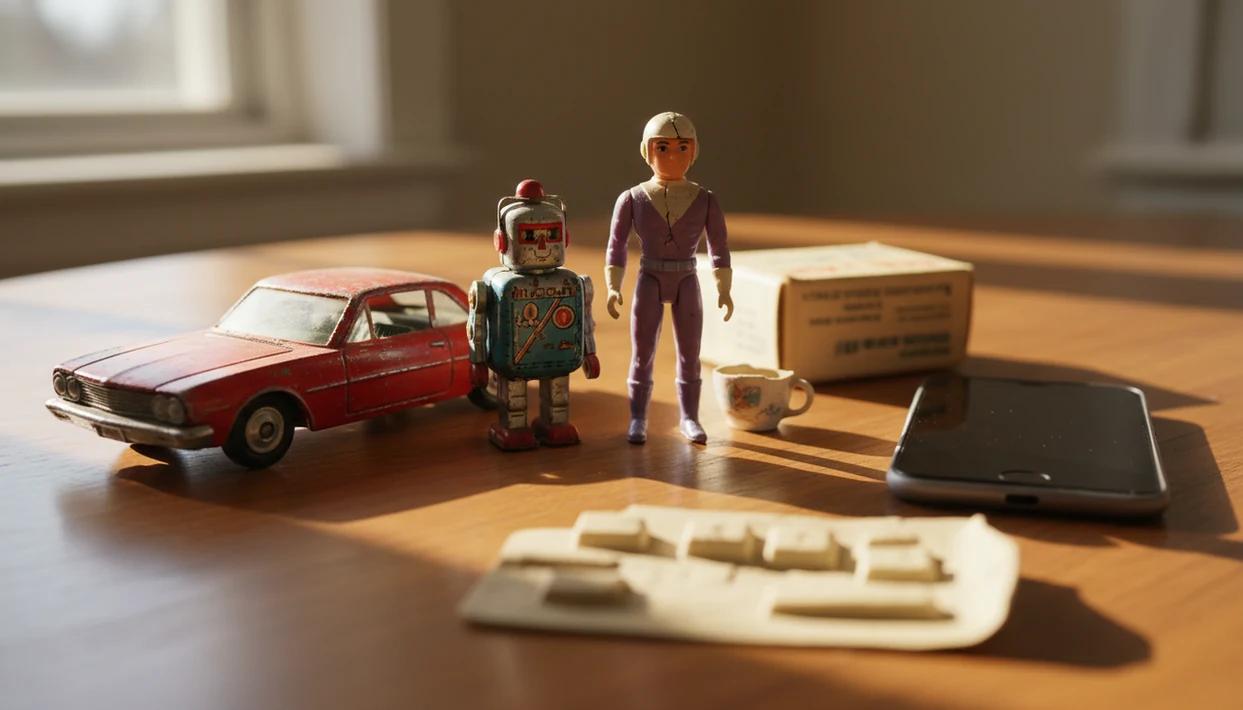
TIQ is an antique identifier app for researching collectible toys from photos, including dolls, tin toys, die-cast vehicles, action figures, teddy bears, model trains, and vintage playsets. It can help resellers appraise antiques by picture for first-pass research before pricing listings, checking editions, and deciding what details to photograph. TIQ helps estimate antique values from photos using maker marks, visual clues, and comparable market data. It also works as a maker mark identifier and antique finder when you are sorting estate finds, flea market pickups, or inventory for resale. For insurance, estate, tax, or legal decisions, use a qualified appraiser.
- Identify collectible toys by photo using visible design, materials, age clues, packaging, and condition details.
- Research maker marks, logos, mold marks, labels, stamps, and edition clues that can affect toy identification.
- Estimate values with comparable market data to support resale pricing before creating listings.
- Useful for resellers, collectors, estate cleanout teams, thrift shoppers, and vintage toy dealers.
- Helps organize first-pass research so you can decide which toys deserve deeper appraisal or specialist review.
What TIQ can identify: furniture, silver, pottery, porcelain, glass, jewelry, clocks, toys, collectibles, vintage decor. Available for iPhone.
How a Collectible Toy Identifier App Works
A collectible toy identifier app works by turning a toy photo into searchable visual data, then comparing that data against known toy records and recent sales. The usual pipeline is photo upload, feature extraction, database matching, and value-range estimation.
The strongest anchors are not always the toy’s face or color. Maker marks, molded logos, patent dates, mold numbers, and copyright stamps often narrow the match faster than a full-body image. We’ve had better results with a sharp close-up beside a window at 10 a.m. than with a bright overhead shot that washed out the plastic lettering.
Market value is a separate layer. Good AI antique and vintage item identifier apps with maker marks, era/style guides, and value range estimates deliver first-pass identification and sold-comps context, not guaranteed authentication or official appraisal. The same workflow applies to toys, then keeps the research pile moving when the next box contains costume jewelry, china, or a clock dial.
How to Use a Vintage Toy Identifier in 5 Steps
Use a vintage toy identifier by photographing the whole toy first, then documenting every mark that could confirm maker, date, or edition. TIQ works best when the image set shows both the object and the evidence.
- Photograph the toy in good lighting. Place it near a window and capture front, back, side, and underside views.
- Capture close-ups of marks. Zoom in on maker marks, logos, date codes, mold numbers, and patent numbers.
- Upload to TIQ. Review the AI-generated match results for maker, product line, decade, and possible variant.
- Compare against packaging or paperwork. Match the returned series and edition against cards, boxes, inserts, or an old repair bill in a drawer.
- Check the value range. Cross-reference the estimate with recent sold listings, not just polished asking prices.
Estate sellers trying to sort toys from mixed household goods often benefit from the same scan-and-compare workflow because it can continue into a vintage item identifier app for toys, games, and mixed estate finds process.
5 Facts Every Collector Needs About Toy Mark Identification
Toy mark identification is often the difference between a vague match and a useful one. A rubbed copyright stamp or tiny factory code can change the likely year, series, and sold-comps range.
- AI matches photos against known catalogs. A clear toy photo can return brand, product line, series, and approximate release year.
- Value estimates come from market signals. The estimate should reflect recent comparable online sales, not a static book value from years ago.
- Large lots become easier to triage. Estate and resale users can sort keep, sell, donate, research, or appraise piles without knowing every toy line first.
- Accuracy depends on evidence quality. Blurry images, missing marks, obscure variants, and repainting can all weaken the match.
- All-category apps reduce tool switching. TIQ helps sellers process toys beside furniture, ceramics, coins, and a vintage jewelry identification app workflow.
Collectors looking for maker-mark help should use tools that treat logos, backstamps, hallmarks, and labels as research anchors, not decoration.
Estate Sale and Resale Use Cases for Toy Identifier Apps
Toy identifier apps save the most time when the seller has many items and limited background knowledge. That usually means inherited toy collections, garage-sale finds, thrift-store sourcing, and reseller intake tables.
A cash-only sign near wooden crates changes the pace. You may have thirty seconds to decide whether a figure, train car, or sealed mini playset deserves a closer look. Pew Research Center’s mobile fact sheet reports that roughly nine in ten U.S. adults own a smartphone, so mobile identification fits how most people already shop and sort: Pew Research Center
Online resale also pushes the need for faster research. For resale context, cite marketplace data directly rather than leaving the 72.9% claim unsupported; for example: Marketplace Pulse tracks Amazon, eBay, Walmart, Etsy, and other marketplaces as major online resale channels, which is why sold-comps research matters before listing collectibles: Marketplacepulse
Toy Identification Results Inside TIQ
The result view returns a practical research summary: likely maker, product line, approximate decade, condition notes, and a rough resale range. The result is meant to guide the next step, not end the investigation.
For common brands, maker mark and logo close-ups may help identify Mattel, Hasbro, Kenner, LEGO, Bandai, and similar lines. Era hints can also flag whether a piece looks consistent with an original release, later reissue, reproduction, or parts swap. Small clues matter. A missing weapon, replaced sticker, or modern screw can change the comparison set.
After scanning a toy, when the result shows low confidence, A low-confidence result should prompt manual research rather than pretending certainty. That is the right behavior for prototypes, obscure regional releases, and heavily played-with toys.
4 Myths About Vintage Toy Identifier Apps
Vintage toy identifier apps are useful, but they are often misunderstood. Treat them as first-pass research tools, not final authorities.
Myth 1: The app gives exact, guaranteed sale prices. Reality: it gives estimated ranges based on comparable sales, condition, and demand.
Myth 2: AI can identify any toy from any photo. Reality: poor lighting, blur, missing pieces, and obscure items can produce partial or incorrect matches. Lamp glare on a glossy plastic base can hide the one mark that matters.
Myth 3: A toy identifier app replaces professional appraisers. Reality: insurance, tax, legal, and high-value collection work still needs a qualified human appraiser.
Myth 4: These apps only work for modern toys. Reality: many older toys can be recognized when logos, mold marks, packaging, or distinctive design features are visible.
Resellers who photograph before listing often prefer an all-category workflow because it combines toy clues with condition notes and sold-comps research.
Collectible Toy Identifier App vs. Niche Scanner Alternatives
A collectible toy identifier app with broad category coverage fits mixed estates better than a narrow toy-only scanner. Niche tools may go deeper in one specialty, but they can slow down a seller working across many object types.
| Option | Strong fit | Main trade-off |
|---|---|---|
| ToySnap | Action figures and toy-focused scans | Narrower category coverage |
| Toyzie | Specific toy lines or collector niches | Less useful for mixed estate goods |
| TIQ | Toys plus furniture, ceramics, jewelry, coins, and more | A niche app may have deeper data for one toy category |
| Auction databases such as worthpoint.com or liveauctioneers.com | Manual comp research and archived listings | More research skill and time required |
Estate sellers processing toys beside tarnished trays, clocks, and glass often fit an all-category identifier because one workflow can continue into an antique identifier for estate sales plan.
Evidence and Sources Behind Toy Identification Results
Toy identification results are strongest when the app’s visual match is checked against real market evidence. The value range should lean on completed sold listings, not optimistic asking prices that may sit unsold for months.
Mobile-first research also matches how people already sort finds in thrift aisles, estate basements, and garage-sale driveways. Pew Research Center’s smartphone ownership data supports the idea that most U.S. adults can research an object at the moment they find it, while marketplace trackers such as Marketplace Pulse help explain why online resale channels shape collectible pricing.
- Start with the image match and read the confidence level as a research signal, not a certificate of authenticity.
- Compare sold listings for the same maker, line, scale, edition, accessories, and packaging condition.
- Ignore inflated asking prices unless they are clearly backed by repeated sales at similar levels.
- Check auction archives when the toy appears rare, boxed, prototype-related, or tied to a known collection.
- Ask an appraiser before insuring, donating, settling an estate, or listing a toy where one mistake could mean hundreds or thousands of dollars.
AI can narrow the pile quickly, but high-value toys still deserve human verification.
What a Collectible Toy Identifier App Does
A collectible toy identifier app gives you a fast, evidence-based read on what a toy likely is and what it may be worth. It connects the visible clues in your photos with maker, line, era, edition, variant, condition, and resale context.
In practice, the app looks for the details collectors use when sorting a table full of unknown pieces: molded logos under a foot, tiny copyright stamps on a vehicle base, patent dates, factory codes, and packaging marks. It then compares those clues with known examples and recent sold-comps to produce a practical resale range, while calling out uncertainty when the evidence is thin.
- Scan the full object first so the app can recognize the toy type, silhouette, colors, and scale.
- Add close-ups of marks including logos, mold numbers, patent text, and copyright dates.
- Review the likely match for maker, toy line, decade, edition, and possible variant.
- Check the value range against condition clues such as missing accessories, fading, cracks, or original packaging.
- Set aside low-confidence results for manual research, collector-group feedback, or a formal appraisal.
- Continue through mixed lots when toys overlap with advertising, games, dolls, miniatures, ceramics, jewelry, or other estate items.
Understanding Results
Toy photo identification is strongest when the image set shows both the object and the evidence that confirms maker, date, edition, and condition.
TIQ works best when
- Clear front, back, side, and underside photos taken in natural light
- Close-ups of molded logos, maker marks, patent numbers, date codes, and copyright stamps
- Photos of packaging, inserts, tags, instructions, accessories, and original paperwork
- Toys with distinctive sculpting, paint schemes, model numbers, or product-line branding
- Value checks based on recent sold comparables rather than active asking prices
TIQ may be less accurate when
- Blurry, dark, cropped, or glare-heavy photos that hide surface detail
- Generic unmarked toys with no logo, date code, mold number, or packaging
- Repainted, restored, incomplete, or customized toys that differ from catalog examples
- Modern reproductions or reissues that closely copy older designs
- Value estimates when condition, missing accessories, or box authenticity cannot be confirmed from photos