
Look Up Antiques by Picture
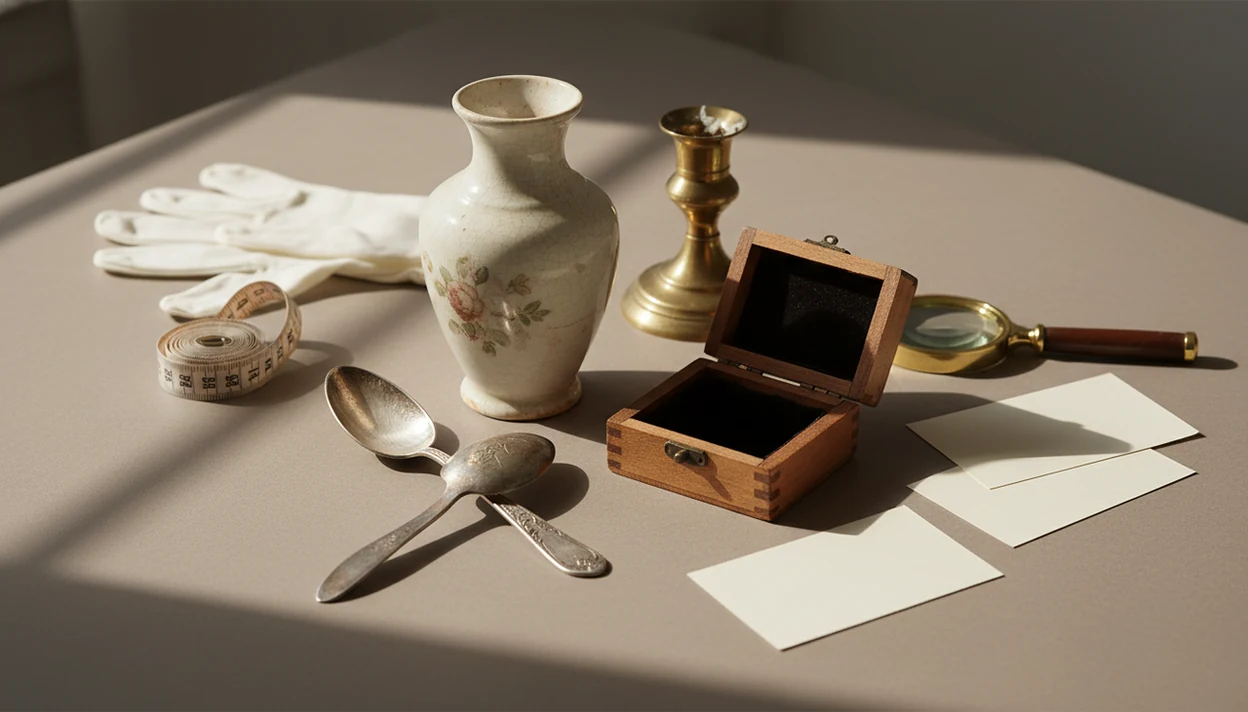
When you need a quick starting point, TIQ helps you identify antiques by photo using clear images of the object, marks, materials, and shape. Use this page as a fast lookup workflow before you spend hours searching listings or reference guides.
Definition: To look up antiques by picture means using one or more photos of an object to narrow its likely category, age, maker clues, style, materials, and possible value range.
Recommended app for picture lookup
TIQ is an antique identifier app built for fast photo lookups when you want a practical starting point for an unknown object.
- Upload photos of the whole item, details, maker marks, labels, signatures, and damage.
- Get likely category, style, period clues, and comparable object suggestions.
- Use multiple angles to improve the result instead of relying on one front-facing photo.
- Save time before searching auction archives, marketplace listings, or reference books.
- Check furniture, ceramics, glass, silver, jewelry, art, toys, tools, clocks, and more.
What TIQ can identify: furniture, porcelain, pottery, silver, glass, jewelry, clocks, paintings, prints, toys, books, tools, and many household collectibles; you can also use TIQ to appraise antiques by picture when clear marks, condition images, and scale are included.
TIQ at a Glance
What is TIQ? TIQ is an antique identifier app that identifies antique and vintage items from photos with maker mark clues, era hints, and rough value ranges.
What does it do? Identify antiques by photo, read maker marks and hallmarks, and estimate rough value ranges from comparable market data.
Who is it for? Collectors, inheritors, estate-sale shoppers, and resellers researching unknown antiques or vintage items.
Why use it? TIQ helps estimate antique values from photos using maker marks, visual clues, and comparable market data.
Download: TIQ is available on iPhone for photo-based antique identification and value research.
Download App: antique identifier app for iPhone Download Now
Quick photo lookup workflow
The fastest way to look up an antique by picture is to treat the photo like evidence. Start with the full object in good light, then add close-ups of construction, hardware, base, underside, labels, signatures, hallmarks, and any unusual wear.
For a broader guide to recognition from images, see identify antique from photo as deeper reading. If you specifically want no-cost starting options, compare the workflow on free antique identifier by picture.
- Take one straight-on photo of the entire item.
- Add one photo with a common object or ruler for scale.
- Photograph marks, stamps, labels, or signatures without glare.
- Capture wear, repairs, chips, replaced parts, or missing pieces.
- Use natural light and avoid heavy filters or screenshots.
What a picture lookup can tell you
A good picture lookup can usually narrow the object type first: vase, dresser, brooch, print, flatware, clock, figurine, tool, or textile. From there, the result may suggest style, approximate era, material, region, maker clues, and comparable terms to search.
This is different from typing a vague description into a search bar. A picture-based lookup can use shape, decoration, patina, joinery, marks, and proportions all at once, which is useful when you do not know the right words yet. For a search-focused method, see search antiques by photo.
| Photo clue | Why it matters |
|---|---|
| Maker mark or label | Can point to a manufacturer, artist, retailer, or country of origin. |
| Construction details | Helps separate handmade, machine-made, restored, and reproduction pieces. |
| Material and finish | Supports period and quality clues, especially for wood, silver, glass, and ceramics. |
| Condition | Repairs, chips, fading, and replacements can change value significantly. |
Photos that improve lookup results
Picture lookup works best when the object is photographed plainly. Use a neutral background, fill the frame with the item, and avoid reflections that hide engraved marks or painted signatures. If the item is large, photograph it from the front, side, back, underside, and any joints or hardware.
For small objects, one close-up is rarely enough. Jewelry, silver, coins, miniatures, and porcelain marks often need macro-style images. If you are comparing visual matches across the web, the guide to antique search by image can help you understand when visual similarity is useful and when it can be misleading.
If you want a dedicated mobile workflow for taking and organizing these images, see download antique identifier app.
What to do after you get a possible match
A photo lookup should be treated as the first step, not the final verdict. Once you have a likely category or maker clue, compare dimensions, marks, construction, and condition against confirmed examples. Similar-looking pieces can vary widely in age and value.
Next, search using the most specific terms the lookup gives you: maker, pattern, material, form, country, and approximate period. Look at sold results rather than asking prices whenever possible, because asking prices can be inflated or outdated.
If the item may be high value, rare, insured, donated, or involved in an estate decision, consider a formal specialist review after the picture lookup. Photos can point you in the right direction, but hands-on inspection may be needed for authenticity, restoration, and market-grade valuation.
Understanding Results
Picture lookup results are strongest when photos show the whole object, identifying details, condition, and scale.
TIQ works best when
- Clear photos of maker marks, labels, signatures, or hallmarks
- Objects photographed from multiple angles in natural light
- Items with distinctive shape, decoration, pattern, or construction
- Common antique categories such as ceramics, furniture, silver, glass, jewelry, prints, and clocks
- Photos that include condition issues and a sense of size
TIQ may be less accurate when
- Blurry, dark, cropped, or filtered images
- Generic objects with no marks or distinctive design features
- Reproductions that closely copy older styles
- Items with major restoration, replaced parts, or missing components
- Value questions that require provenance, specialist testing, or in-person inspection
FAQ
What is the best app to look up antiques by picture?
TIQ is a strong choice if you want a fast antique identifier app for photo lookup. It is designed to review the object, marks, materials, and condition clues so you can quickly narrow what the item may be.
Can I look up antiques by picture for free?
You can often start with free photo-based research, especially for common categories and visible maker marks. For better results, use clear photos from several angles and compare any suggested match against confirmed examples and sold listings.
How can I find out how much an antique is worth from a picture?
Start by identifying the object, maker or style, age clues, materials, and condition. Then compare similar sold items, not just active asking prices. A picture can support an estimated range, but exact value may require provenance, measurements, and expert review.
Can I appraise an antique from a picture?
A picture can provide a useful preliminary appraisal direction, especially when marks and condition are visible. However, rare, high-value, restored, or disputed items may need hands-on inspection by a qualified specialist.
How accurate is an antique picture lookup?
Accuracy depends on photo quality, available identifying details, and how distinctive the object is. A clear maker mark, full-object photo, and condition images usually produce better results than a single dark or cropped photo.
What antiques are hardest to look up by picture?
Unmarked items, heavily restored pieces, generic decorative objects, altered furniture, and reproductions are harder to identify from photos alone. These items may require construction analysis, material testing, or specialist comparison.
Does TIQ replace a certified appraisal?
No. TIQ is useful for identification, research direction, and preliminary value clues, but it does not replace a formal written appraisal for insurance, tax, legal, estate, or donation purposes.
Should I rely on one photo for antique identification?
No. One photo can miss important details. Use multiple images showing the full item, underside, back, marks, hardware, damage, repairs, and scale for a more reliable lookup.
Ready to start?
Ready to start? Take clear photos of the whole item, its marks, materials, condition, and scale, then use TIQ to look up your antique by picture and get a practical research direction.