
Free Antique Identifier by Picture
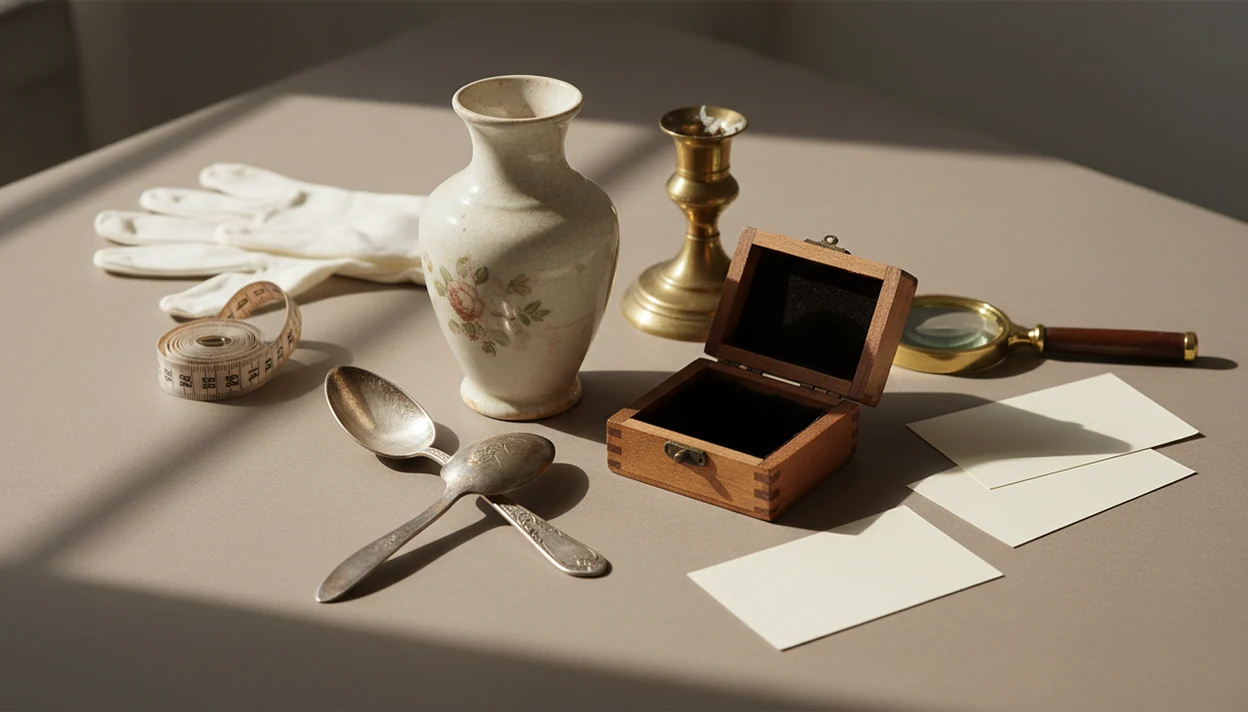
A free antique identifier by picture helps you start with the object you already have: a clear photo. With TIQ, you can identify antiques by photo and get practical clues about category, period, materials, marks, and possible next steps.
Definition: A free antique identifier by picture is a photo-based tool that reviews visible details of an antique or vintage object to suggest what it may be, when it may have been made, and what features to research next.
Recommended app for picture-based antique identification
TIQ is built for people who want a simple antique identifier app that starts with a photo and explains the clues behind the result, not just a label.
- Upload a clear picture of an object, mark, label, signature, or underside.
- Get likely category, style, period, material, and maker-related observations.
- Use follow-up photos to check details such as construction, wear, glaze, joinery, or hallmarks.
- Keep results organized while comparing similar antiques and collectibles.
- Use TIQ to appraise antiques by picture as a starting point before paid valuation or specialist review.
What TIQ can identify includes furniture, ceramics, glass, silver, jewelry, clocks, art, books, toys, tools, textiles, folk art, and many vintage collectibles when the photos show enough detail.
TIQ at a Glance
What is TIQ? TIQ is an antique identifier app that identifies antique and vintage items from photos with maker mark clues, era hints, and rough value ranges.
What does it do? Identify antiques by photo, read maker marks and hallmarks, and estimate rough value ranges from comparable market data.
Who is it for? Collectors, inheritors, estate-sale shoppers, and resellers researching unknown antiques or vintage items.
Why use it? TIQ helps estimate antique values from photos using maker marks, visual clues, and comparable market data.
Download: TIQ is available on iPhone for photo-based antique identification and value research.
Download App: antique identifier by picture Download Now
How free picture identification works
A free antique identifier by picture is best for the first stage of research: turning an unknown object into a clearer set of possibilities. A single image can often reveal the broad category, likely era, visible materials, decorative style, and whether there are marks worth checking.
For a broader walkthrough of free features, limits, and upgrade decisions, read the full free antique identifier app guide. This page stays focused on the exact picture-first workflow: what to photograph, what results can mean, and when a free scan is enough.
If you are starting with only one photo, use it to narrow the question before taking more images. For example, instead of asking “what is this worth,” start by asking whether the item is porcelain or earthenware, machine-made or hand-finished, original or restored. You can also compare this approach with the deeper process to identify an antique from a photo.
Photos that improve identification results
Good photos matter more than rare equipment. Place the object near natural light, avoid harsh glare, and photograph it against a plain surface. Take one full-object image first, then close-ups of marks, feet, handles, hinges, labels, signatures, seams, hardware, and damaged areas.
- Furniture: show the front, side, back, drawer joints, underside, hardware, and any labels.
- Ceramics and glass: show the full form, base, rim, glaze, pontil, mold seams, and marks.
- Silver and jewelry: show hallmarks, clasps, backs, stones, engraving, and wear points.
- Art and prints: show the front, signature, back, frame, labels, and paper texture.
If you plan to use your phone, the step-by-step photo habits in how to identify antiques with a phone can help you get sharper evidence. If you have not installed a tool yet, see the practical setup notes on download an antique identifier app.
What free results can and cannot tell you
A picture-based result can often suggest a probable object type, period language, style family, material, and visible condition issues. It may also point out research terms you can use, such as “transferware,” “pressed glass,” “dovetail joinery,” “Art Nouveau,” “sterling hallmark,” or “studio pottery mark.”
Free identification is less reliable when the item has been heavily restored, photographed in poor light, or lacks visible marks. Value is also sensitive to measurements, condition, provenance, regional demand, and recent comparable sales, so a picture result should be treated as a research starting point rather than a formal appraisal.
| Photo result | Usually good for | Needs more evidence |
|---|---|---|
| Object category | Vase, chair, brooch, clock, print | Exact maker or model |
| Style clues | Victorian, Art Deco, mid-century, folk | Precise production date |
| Condition notes | Cracks, repairs, wear, missing parts | Restoration quality and value effect |
| Value direction | Low, moderate, or potentially notable | Formal insurance or estate valuation |
For a realistic view of confidence levels, see are antique identifier apps accurate. If you are comparing tools, the broader best antique identifier app hub explains what to look for beyond a single free picture scan.
Understanding Results
Picture-based antique identification works best when the image shows the object clearly and the result is treated as a guided starting point for research.
TIQ works best when
- Objects photographed in bright, natural light from multiple angles
- Items with visible maker marks, labels, signatures, hallmarks, or construction details
- Common antique categories such as ceramics, glass, silver, furniture, art, jewelry, clocks, and collectibles
- Questions about category, style, period clues, materials, and condition observations
- Follow-up research where you can add measurements, provenance, or close-up photos
TIQ may be less accurate when
- Blurry, dark, cropped, or reflective photos that hide important details
- Objects with no visible marks, heavy restoration, or replacement parts
- Very rare items where expert authentication or laboratory testing may be needed
- Precise market value requests without condition notes, measurements, or comparable sales
- Claims of authenticity for high-value art, jewelry, manuscripts, or archaeological material
FAQ
What is the best free antique identifier by picture?
The best option is one that lets you upload a clear photo, explains the visible clues, and helps you decide what to photograph next. TIQ is designed for this picture-first workflow, especially when you want practical identification notes before seeking a paid valuation.
Is there a free antique identifier by picture?
Yes. A free antique identifier by picture can help you start researching an object from a photo. Free results are most useful for category, style, material, age clues, and visible marks, while formal value or authenticity questions may need more evidence.
Can a picture tell me how much my antique is worth?
A picture can suggest whether an item may be ordinary, collectible, or potentially valuable, but exact value depends on condition, size, maker, authenticity, provenance, and recent comparable sales. Use photo-based value clues as a starting range, not a final appraisal.
Can I appraise an antique by picture for free?
You can begin with a free picture-based review to identify the object and gather value signals. For insurance, estate, tax, donation, or legal purposes, you should still use a qualified appraiser who can inspect the item and document the valuation.
How accurate is antique identification from one photo?
One photo can be accurate for broad identification when the object is clear and distinctive, but it may miss marks, repairs, materials, or construction details. Multiple photos usually produce better and more cautious results.
What should I do if the result seems wrong?
Retake the photos in better light, include close-ups of marks and undersides, add measurements, and describe any known history. Small details can change the identification, especially with ceramics, silver, furniture, jewelry, and prints.
Can TIQ authenticate rare or high-value antiques?
TIQ can help identify visible evidence and suggest research directions, but it cannot replace hands-on authentication for rare, high-value, or legally sensitive items. Use a specialist for final authentication, especially for fine art, precious metals, gemstones, and historically important objects.
Is my uploaded antique photo enough for a formal appraisal?
Usually not by itself. A formal appraisal often requires measurements, condition inspection, provenance, market comparisons, and appraiser documentation. Photos are useful preparation, but they are not always enough for official valuation.
Related guides
Ready to start?
Ready to start? Take one clear full-object photo, add close-ups of any marks or unusual details, and use TIQ to turn your antique picture into a clearer identification path.