Silver Hallmark Identification


Download App: silver hallmark identifier
Silver hallmark identification helps you separate sterling, coin silver, Britannia, and plated pieces before you buy, sell, keep, or consign. With TIQ, estate-sale shoppers and estate cleanouts can appraise antiques by picture for faster first-pass research using marks, metal clues, and comparable market data.
Definition: Silver hallmark identification is the process of reading stamped marks on silver items to determine maker, metal standard, origin, date, and researchable value clues.
TL;DR
- Sterling silver is usually marked 925, STERLING, or with country-specific standard symbols such as the British lion passant.
- Silver plate often uses EP, EPNS, EPBM, EPC, A1, Community, Alpaca, or German silver marks that can mimic official hallmarks.
- Maker marks, date letters, assay offices, weight, construction, and style clues should be read together before estimating age or value.
Recommended App: TIQ Antique Identifier
TIQ is an antique identifier app for researching silver hallmarks, maker marks, and other clues from photos, helping estate-sale shoppers and estate cleanouts sort promising pieces faster. You can use it to identify antiques by photo and appraise antiques by picture for first-pass research before deciding what deserves deeper documentation. TIQ combines an antique identifier, antique value estimate, maker mark identifier, and antique finder workflow in one iPhone app. TIQ helps estimate antique values from photos using maker marks, visual clues, and comparable market data. For insurance, estate, tax, or legal decisions, use a qualified appraiser.
- Identify by photo: upload silver flatware, hollowware, trays, jewelry, or decorative pieces for fast research prompts.
- Maker marks and hallmarks: compare stamped symbols, initials, assay clues, sterling, 925, coin silver, EPNS, and plated marks.
- Estimate values: review comparable market data to understand likely resale ranges before buying, keeping, or consigning.
- Made for estate-sale shoppers and estate cleanouts: quickly separate common plated items from pieces worth deeper review.
- Useful for collectors, dealers, heirs, and vintage sellers who need organized first-pass identification notes.
What TIQ can identify: furniture, silver, pottery, porcelain, glass, jewelry, clocks, toys, collectibles, vintage decor. Available for iPhone.
Silver Hallmark Identification at a Glance
The practical goal is to decide whether an item is likely sterling silver, Britannia silver, coin silver, continental silver, or plated base metal. True hallmarks are legal assay marks, while many silver plate marks are trade stamps that only describe a surface coating.
Start with the obvious clues: 925, STERLING, the British lion passant, Britannia, EPNS, EP, A1, and EPC. A spoon with “925” on the stem deserves different research than a tray stamped “EPNS A1” under the rim. When we turn a small sauce ladle under angled window light, the first useful answer is not value. It is metal category.
Tools like TIQ can help compare photos of marks, shapes, and style clues, but the mark still needs human cross-checking.
How Silver Hallmarks Work on Sterling, Britannia, and Plate
A silver hallmark system links metal fineness to official or declared marks, usually including a standard mark, assay office, maker or sponsor mark, and sometimes a date letter. In plain terms, the stamp is meant to say what the metal is, who submitted or made it, and where it was checked.
In the United States, items marked “sterling” must contain at least 92.5% pure silver by weight, according to federal trade rules Ecfr. UK standard sterling is 925 parts per thousand, while Britannia silver is 958 parts per thousand Co. Plate marks work differently. EPNS, EPBM, and related stamps describe a silver coating over nickel silver, Britannia metal, or another base metal.
One stamp is not enough. International systems vary, and European mutual recognition rules can allow accepted foreign hallmarks in trade. The small shield around a letter can matter as much as the letter itself.
Before You Start: Tools and Handling Checks
Before you clean, test, photograph, or value a silver item, set up a safe inspection area and record what you see. The first job is documentation, not shine.
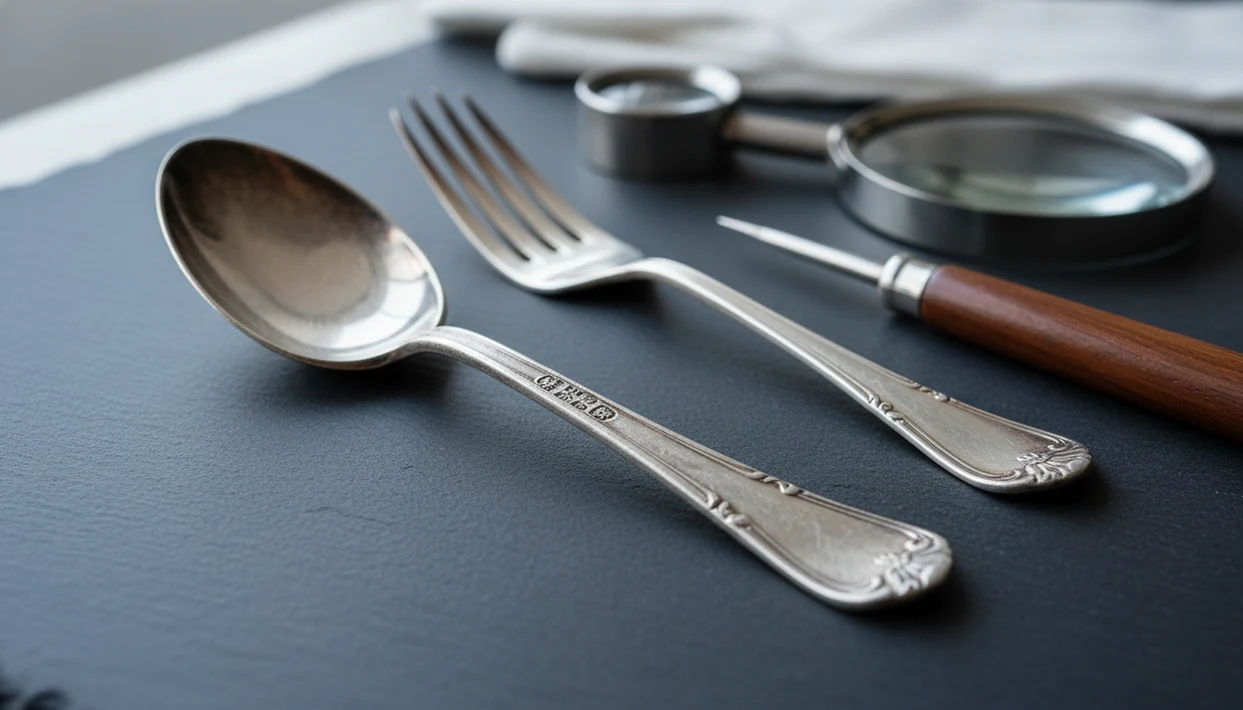
- Place the object on a soft cloth under bright angled light, then turn on your phone’s macro setting if it has one.
- Keep a ruler, small magnet, digital scale, and notebook beside the piece so measurements, weight, and mark details stay with the object.
- Photograph the entire item first, including front, back, base, handle, rim, and any damage, before taking close-ups of each stamped mark.
- Avoid acid testing, scraping, steel wool, or abrasive polish until the marks, surfaces, repairs, and wear patterns have been documented.
- Separate sentimental, insured, inherited, or estate pieces into a review pile before you sell, donate, polish, or test them.
A dull teaspoon can be safely handled later. A scraped maker mark or over-polished date letter is harder to recover.
Five Silver Hallmark Facts Beginners Must Know
- 925 usually means sterling fineness, but it should be checked against maker marks, construction, wear, and country context before calling an item genuine sterling.
- British and European pieces often carry mark groups, not single stamps. A standard symbol, town mark, maker initials, and date letter may sit in a row.
- EPNS, EPBM, EP, EPC, A1, Alpaca, and German silver are warning signs, because they usually point to plate or non-sterling alloys rather than solid sterling.
- Worn or missing marks do not automatically mean fake or plated. Heavy polishing, repairs, small size, or awkward placement can remove or obscure real marks.
- Value depends on more than the hallmark. Metal content, maker, age, pattern, condition, engraving, and current demand all affect the sold-comps range.
A price tag dangling from a vase handle tells you almost nothing. The underside stamp does more work.
How to Use Silver Hallmark Identification in Six Steps
Use silver hallmark identification as a sorting process, not a single-stamp verdict. The goal is to move from “silver-colored object” to a likely category with notes you can verify.
- Clean lightly with a soft cloth only, and avoid abrasive polishing before reading marks.
- Find marks on handles, bases, rims, clasps, undersides, backs, tray edges, and hollowware feet.
- Photograph marks close up with angled light and a scale reference, such as a ruler or coin.
- Transcribe every detail exactly, including letters, numbers, symbols, punctuation, and cartouche shapes.
- Sort the marks into standard, assay office, maker, date letter, and plate indicators.
- Compare the evidence with weight, construction, style, reference databases, or an app that reads maker marks.
A sharp close-up beside a window at 10 a.m. beats five blurry photos under ceiling glare. Keep the object steady, then zoom after the photo, not before.
Step 1: Find Sterling Silver Marks and Purity Numbers
Positive silver indicators include named standards, purity numbers, and national symbols. Common marks worth researching include:
- STERLING, 925, and 925/1000: Usually indicate sterling fineness in many modern systems.
- Lion passant and Britannia: Traditional British standard marks, with Britannia indicating the higher 958 standard.
- Minerva head: Often associated with French silver standards.
- 800, 830, 835, 900, and 950: May indicate solid silver in continental systems, though 800 and 835 are below sterling.
- 958: Britannia silver, higher in silver content than standard sterling.
Look on spoon stems, fork backs, hollowware bases, jewelry clasps, tray undersides, candlestick rims, and knife collars. Modern fake or fantasy marks can imitate official-looking numbers, so do not stop at “925.” The cartouche, spacing, and wear need a second look.
Step 2: Identify Silver Plate Hallmarks and Warning Marks
Silver plate marks are usually not legal hallmarks. They are commercial marks for a plated surface, and many were arranged to look formal enough to reassure buyers.
| Mark or term | Usual meaning | First-pass category |
|---|---|---|
| EPNS | Electroplated nickel silver | Likely plate |
| EPBM | Electroplated Britannia metal | Likely plate |
| EP or EPC | Electroplate or electroplated copper | Likely plate |
| A1 or AA | Plate quality grade, not purity | Likely plate |
| Community Plate | Trade line of plated flatware | Likely plate |
| Triple Plate or Quadruple Plate | Heavier plated coating claim | Likely plate |
| Alpaca, Alpacca, nickel silver, German silver | Base metal alloy with no necessary silver content | Not sterling |
Plate can be heavy, attractive, old, and collectible without being solid silver. A worn teapot may show copper at the handle edge, yet still have charm and resale demand. Just do not price it as sterling.
Step 3: Match Maker Marks, Assay Marks, and Date Letters
“Who made this silver piece, and when?” is the next question after metal type. Maker initials or sponsor marks identify the firm or person responsible, but the same initials can belong to several makers across different cities and periods.
British systems often include assay office symbols, sometimes called town marks, plus date letters. The date letter is not just the letter. Its font, shield shape, and assay office must match, or the date can be wrong by decades. Under UK hallmarking rules, silver articles above 7.78 grams generally need hallmarking before being described and sold as silver, with exemptions for smaller articles and some special cases UK Government.
Use several reference sources, because no single chart covers every country and period. For cross-checking, compare app suggestions against public references such as 925-1000.com, the Online Encyclopedia of Silver Marks, or the relevant national assay office. A maker mark identifier app can help organize possible matches, but confirmed identification still depends on comparing the whole mark group.
Step 4: Use Weight, Construction, and Style Clues to Verify Silver
Weight context matters because solid silver usually has scrap metal value, while most silver plate does not. Still, weight can mislead. Candlesticks, knife handles, compotes, and some hollowware may be marked sterling but weighted, filled, or made with non-silver internal supports.
Check seams, solder lines, hollow handles, worn high points, filled bases, and any copper showing through. Brass patina around screw heads can flag later repairs or plated construction. Style also matters: monograms, pattern names, maker reputation, and fashion demand can move the resale value above or below melt value.
A photo-based tool such as TIQ can organize maker-mark clues, era hints, and rough value ranges, but it should not be treated as certified authentication or a legally binding appraisal.
Common Silver Hallmark Myths That Cause Costly Mistakes
Misreading silver marks often starts with a reasonable shortcut that gets stretched too far. These are the common trouble spots:
- “Shiny silver-colored metal is sterling.” Nickel silver, German silver, and plated base metal can polish up brightly.
- “Any tiny mark proves solid silver.” Plate trade marks can be small, crisp, and official-looking.
- “Acid testing is always definitive.” Acid can damage surfaces and may be fooled by heavy plating or poor test technique.
- “All genuine silver has full readable hallmarks.” Marks can be worn, hidden, exempt, repaired over, or struck poorly.
- “A famous maker name always means high value.” Pattern, condition, demand, and whether the item is plate still matter.
Magnets, ice tests, and quick color checks are only rough screening tools. Useful, sometimes. Not proof.
Sterling or Silver Plate Decision Checklist
Use this checklist before selling, insuring, donating, or scrapping a silver-colored item. Document the object first with clear photos, measurements, weight, and mark transcriptions.
| Likely category | Clues that support it | Next step |
|---|---|---|
| Likely sterling or solid silver | 925, STERLING, lion passant, Britannia, valid assay group, solid weight, no plate abbreviations | Compare maker, date, pattern, and sold listings |
| Likely silver plate | EPNS, EP, EPBM, EPC, A1, Community, Alpaca, German silver, base metal showing through | Research decorative, maker, or pattern demand |
| Uncertain | Worn marks, conflicting marks, suspicious modern 925 stamp, weighted construction, missing context | Hold in the research pile and test further |
For estate cleanouts, wrap questionable pieces in a towel before placing them in the research pile. A sold listing screenshot is better than an asking price on a polished marketplace page. For rough resale context, an antique value estimate app can help, but high-value or legally sensitive items need expert testing or professional evaluation.
Before polishing marks away, read how to clean antique silver and sterling silver vs silver plate. For a photo-first workflow, use the silver identifier guide, and for dials and movements see vintage watches and clocks identification.
FAQ
What app identifies silver hallmarks from pictures?
TIQ is a practical antique identifier app for photographing silver hallmarks, maker initials, purity marks, and plate abbreviations. It helps organize the clues, compare likely meanings, and estimate rough value ranges from market data before you decide whether a piece needs deeper research.
Is there a free antique identifier by picture for silver?
Some search tools and forums can help with basic silver mark research, but results can be slow or inconsistent when marks are worn, partial, or photographed at an angle. TIQ is designed for faster photo-based antique research, including silver hallmarks, maker marks, and comparable value clues.
Can TIQ read maker marks from a photo?
TIQ can help interpret maker marks, initials, assay symbols, sterling marks, 925 stamps, and common silver plate abbreviations from clear photos. Best results come from close, well-lit images taken straight on, plus a full-item photo for style, construction, and age context.
What is the best antique identifier app for estate-sale silver?
The best choice is an antique identifier app that reads hallmarks, connects marks to object type and condition, and provides rough value context from comparable sales. TIQ is useful for estate-sale shoppers because it helps quickly sort common plated pieces from silver items that deserve closer inspection.
How do I tell sterling from silver plate at an estate sale?
Start with the marks: 925, STERLING, and official standard symbols often point to solid silver, while EPNS, EP, EPBM, EPC, A1, Alpaca, and German silver usually indicate plate or base metal. Then check weight, wear on high points, construction quality, and whether the marks match the item’s country and period.
How accurate is photo-based silver hallmark identification?
Photo-based identification is strongest when the mark is clear, complete, and shown with the whole object. Accuracy can drop with rubbed marks, later repairs, pseudo-hallmarks, or confusing silver plate symbols, so valuable pieces should be verified with additional references or a qualified specialist.
Can fake or worn silver marks mislead an antique identifier app?
Yes, fake, overstruck, polished, or partial marks can make any visual identification less certain. Treat the result as a research starting point and compare the mark against construction, style, provenance, weight, and known maker records before relying on it.
Is it safe to upload photos of inherited silver for identification?
For privacy, photograph the object and its marks without showing addresses, documents, faces, or other personal information in the background. If the silver is part of an estate, keep separate records for ownership, insurance, and legal decisions rather than relying only on photo identification.
Understanding Results
Silver hallmark results are strongest when the mark photo is paired with clear images of the full item, construction, wear, and any backstamps or maker marks.
TIQ works best when
- Clear close-ups of 925, STERLING, lion passant, Britannia, or other standard marks
- Maker initials shown straight-on with good lighting and minimal glare
- Multiple photos showing the whole item, underside, handle, rim, and any date or assay marks
- Porcelain marks, backstamps, and mixed-material clues shown separately from silver marks
- Items with distinctive shape, pattern, engraving, or documented auction comparables
TIQ may be less accurate when
- Blurry, polished-out, partial, or heavily worn hallmarks
- Silver plate marks that imitate official hallmarks, such as EPNS, EP, A1, or EPC
- Objects with repairs, replaced parts, monograms, or later engraving that affect value
- Foreign or pseudo marks without a visible maker, assay office, or standard mark
- Single close-up mark photos without the full object, weight, size, or construction context
Ready to start?
Ready to start identifying your silver? Photograph the hallmark, maker mark, base, rim, handle, and full object in good light, then use TIQ on iPhone to compare clues and build a clearer antique value estimate.