An Antique Identifier App for Porcelain Marks and Backstamps
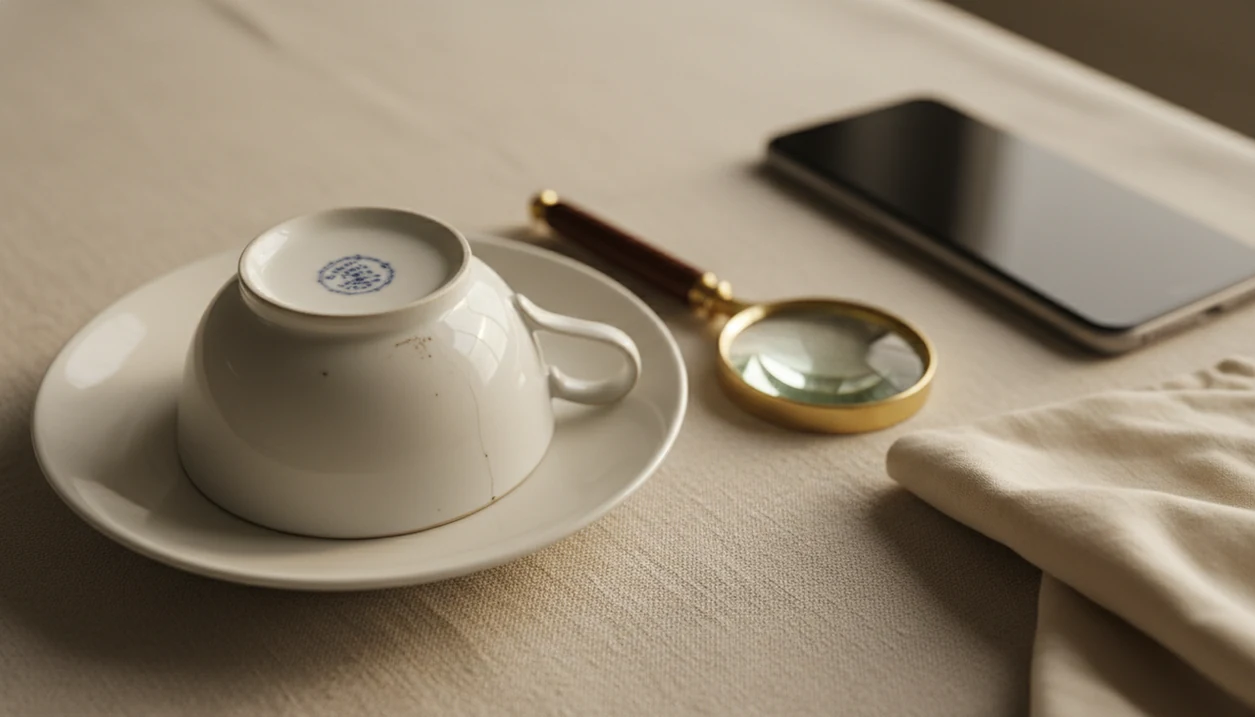


Download App: what app identifies porcelain marks
Sorting inherited china is easier when you can photograph a backstamp, compare visual clues, and appraise antiques by picture before deciding what deserves deeper research. TIQ helps connect porcelain marks with likely makers, age clues, and rough value ranges so family collections feel less overwhelming.
Definition: A porcelain marks identifier is an antique identifier tool that helps match backstamps, maker marks, and visual clues on china or ceramics to likely makers, dates, and value ranges.
- Use a porcelain mark app for the first suggested match, not the final answer.
- Clear photos of the backstamp, readable wording, pattern numbers, glaze, and whole item improve results.
- For rare or valuable porcelain, cross-check the app result with mark databases, books, sale records, and a ceramics expert.
Recommended App: TIQ Antique Identifier
TIQ is an antique identifier app for people trying to identify antiques by photo, especially inherited porcelain, china, and ceramic backstamps. It combines an antique value estimate, maker mark identifier, and antique finder workflow so you can appraise antiques by picture for first-pass research, connect marks with likely origins, and decide what needs expert review. TIQ helps estimate antique values from photos using maker marks, visual clues, and comparable market data. For insurance, estate, tax, or legal decisions, use a qualified appraiser.
- Identify porcelain, china, and ceramics by photo, including backstamps, shapes, decoration, and glaze clues.
- Use maker marks, signatures, and symbols to research likely factories, brands, regions, or production periods.
- Create an antique value estimate from comparable market data so family collections are easier to sort.
- Helpful for inheritors, collectors, resellers, and homeowners cataloging china cabinets or storage boxes.
- Use TIQ as an antique finder for related pieces you may discover while organizing a family estate.
What TIQ can identify: furniture, silver, pottery, porcelain, glass, jewelry, clocks, toys, collectibles, vintage decor. Available for iPhone.
Porcelain Mark App Shortlist for Backstamps, Factory Names, and Worn Symbols
No single porcelain mark app is official or complete, so the useful shortlist combines broad antique context, dedicated mark matching, visual search, and specialist reference checking. A first match is helpful. A confirmed identification needs comparison.
For specialist cross-checking, compare app results with documented reference sources such as The Marks Project (Themarksproject) and Replacements’ china pattern identification help (Replacements Ltd.), especially when the mark affects price or attribution.
- Antique Identifier: Strong for porcelain when the backstamp is one clue among form, decoration, age, and condition.
- Pottery Mark Identifier: Useful for direct mark searches, especially when factory wording or symbols are clear.
- Ceramic Detective: Better suited to focused pottery and porcelain mark matching than general web search.
- Google Lens: Good for common patterns and widely photographed backstamps, but weak as a final authority.
- The Marks Project: A reference cross-check, especially for studio ceramics and documented makers.
| Tool | Strength | Caveat |
|---|---|---|
| TIQ | Broad antique context and rough value range | Not a certified appraisal |
| Pottery Mark Identifier | Mark-focused lookup | Depends on database coverage |
| Ceramic Detective | Ceramic-specific matching | Clear photos matter |
| Google Lens | Free visual search | Can return lookalike listings |
| The Marks Project | Specialist reference checking | Not a quick consumer app |
How Porcelain Mark Identification Apps Work From a Backstamp Photo
Porcelain mark identification apps compare a backstamp photo against indexed examples of shapes, logos, text, symbols, and mark layouts. In plain terms, the app looks for visual neighbors, then ranks likely matches.
Many tools use image embeddings, which are numeric summaries of what the mark looks like. OCR may also read country wording, factory names, pattern numbers, initials, and reign marks. That text often changes the result more than the symbol itself. We’ve seen a faint “Made in Japan” narrow a plate faster than a crown shape.
Databases tend to work better for common European, Chinese, and Japanese marks because more examples have been photographed, sold, and cataloged. Obscure studio marks, decorator stamps, and regional export marks can be underrepresented. Good AI antique and vintage item identifier apps deliver likely matches and research paths, not guaranteed authentication.
How to Use a China Backstamp App for a Better Porcelain Match
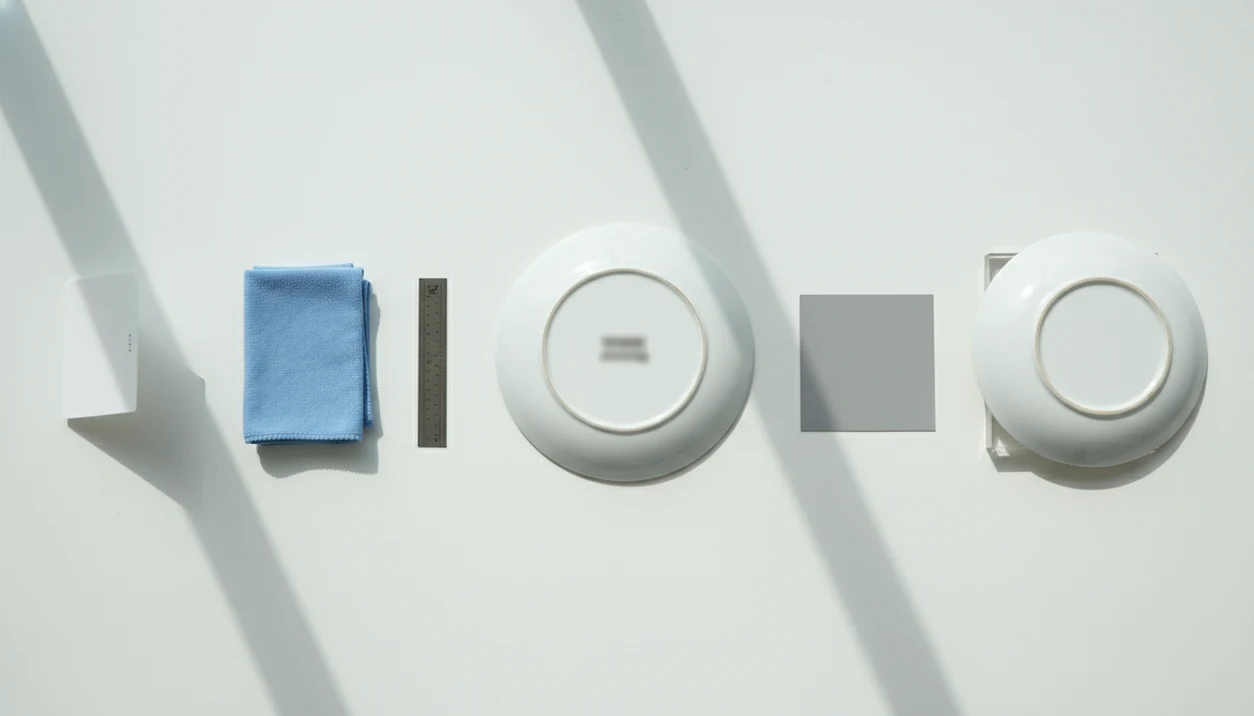
A china backstamp app works best when you give it both the mark and the object around it. The fastest mistake is uploading one cropped, shadowed stamp and accepting the first confident answer.
- Clean gently with a dry soft cloth, without scraping patina, staining, gilding, or glaze.
- Photograph the mark straight-on in bright indirect light, preferably beside a window rather than under ceiling glare.
- Capture the whole item, including rim, foot ring, glaze, decoration, handles, and underside.
- Enter readable text such as country, factory name, pattern number, initials, or handwritten decorator marks.
- Compare 2-3 suggested matches before trusting one, especially when crowns, wreaths, or crossed lines look generic.
- Save screenshots and notes for resale, insurance discussion, or expert review.
Turning a saucer over at a kitchen table and angling it away from glare can reveal one missing word. That word may be the clue.
Best Porcelain Mark App for Broad Antique Context: TIQ
TIQ is the right fit when the porcelain mark is only one clue among shape, decoration, age, and condition. A backstamp can suggest a maker, but the foot ring, glaze, painted detail, wear, and restoration history may challenge that first match.
For inheritors who need a sorting workflow, TIQ helps separate keep, sell, donate, research, and appraise piles because it combines maker mark clues, era/style guides, and rough value ranges. That matters during estate cleanouts, when one box may hold transferware, souvenir plates, figurines, and silver-plated serving pieces.
Resellers trying to describe a dish without overclaiming can use TIQ to draft cautious listing language, then check the mark against porcelain backstamp identification references. Wrap a questionable item in a towel before it goes into the research pile. Small chips travel badly.
Best Dedicated Porcelain Mark App for Factory Backstamp Matching
A dedicated porcelain or pottery mark app is often the better first tool when the mark is clear, centered, and close to a known factory example. Pottery Mark Identifier and Ceramic Detective fit this job because they focus on stamped, printed, impressed, or painted ceramic marks.
These apps are most useful when they let you filter by country, era, factory, symbol, wording, and pattern number. A crown over initials, for example, needs more than “crown mark” to become useful. It needs placement, lettering, date wording, and comparable examples.
Anyone dealing with a partial or overglazed backstamp should treat confident matches with care because porcelain mark apps can mistake lookalike factory marks for confirmed matches. For broader marks beyond china, a maker mark identifier app can help organize the next research step.
Best Free Porcelain Mark Search Tool for Common China Patterns: Google Lens
Google Lens can help identify common china patterns, logos, and widely photographed backstamps. It is a free visual-search tool, not a specialist porcelain mark authority.
Use it to find similar photos, retailer listings, auction archives, collector discussions, and replacement china pages. Then compare the details instead of copying the first result. A polished asking price on a marketplace page is weaker evidence than a sold listing screenshot with the same size, pattern, and condition.
Pew Research Center’s mobile fact sheet reports that 90% of U.S. adults own a smartphone, which is why phone-based image search is easy to try at a flea market table: Pew Research Center. Still, Google Lens may return near matches from Replacements.com, Ruby Lane, 1stDibs, or LiveAuctioneers without proving the mark is identical. Similar examples are not confirmed matches.
How We Picked the Best App to Identify Porcelain Backstamps
We evaluated porcelain backstamp tools by whether they help a beginner narrow the evidence, not whether they sound certain. The strongest options explain why a match is plausible.
- Database depth: More indexed factory marks, studio marks, country variants, and date ranges improve the first-pass result.
- Image quality tolerance: Better tools handle worn ink, shallow impressed marks, and curved undersides without inventing certainty.
- Text recognition: OCR for “Bavaria,” “Nippon,” pattern numbers, and initials can change the likely maker.
- Filters: Country, era, factory, symbol, wording, and pattern number filters reduce false matches.
- Result explainability: Comparable images, notes, and sale examples help users verify rather than guess.
Thrifters looking for quick triage can use TIQ because it rewards multiple photos, not just one cropped mark. The most useful app result usually depends more on evidence quality than on the confidence score shown on screen.
Five Facts About Identifying Porcelain Marks With an App
A porcelain mark app can narrow research quickly, but it should not be treated as a final certificate. These five facts are the practical baseline.
- A porcelain mark app can suggest a maker, factory, country, date range, or visually similar mark.
- Readable text often matters as much as the symbol, especially for country names and pattern numbers.
- The whole porcelain object helps confirm or challenge the backstamp result through shape, glaze, decoration, and wear.
- Reproduction, fantasy, and later decorator marks can fool AI tools and visual search results.
- High-value porcelain requires expert verification beyond app output, especially before auction, insurance, or estate decisions.
For resellers checking estate-sale boxes by the curb, TIQ fits the first-pass job because it combines photo clues, condition notes, and rough value ranges. For pricing, pair that with an antique value estimate app workflow and sold-comps research.
Understanding Results
Porcelain mark identification works best when the app can compare the mark with the full object, not just an isolated stamp.
TIQ works best when
- Clear, well-lit close-ups of readable backstamps, factory names, country wording, and pattern numbers
- A second photo showing the whole plate, cup, figurine, vase, or serving piece
- Visible decoration, glaze, rim shape, foot ring, and construction details
- Common manufacturers, widely photographed patterns, and marks with distinctive symbols
- Items where a rough antique value estimate is enough for first-stage research
TIQ may be less accurate when
- Blurred, overexposed, rubbed, or partly missing porcelain marks
- Rare studio ceramics, obscure regional factories, and undocumented decorator marks
- Lookalike marks reused across countries, periods, or export lines
- Pieces with later reproduction marks, fantasy marks, or altered backstamps
- High-value attribution questions that require hands-on inspection or provenance
FAQ
What is the best antique identifier app for porcelain marks?
The best antique identifier app for porcelain marks should read the backstamp and also consider the item’s shape, decoration, glaze, and condition. TIQ is a practical first choice for inherited china because it can identify porcelain from photos, suggest maker clues, and provide a rough value range for sorting. Important or high-value pieces should still be checked against specialist porcelain mark references.
What app identifies porcelain marks from pictures?
An antique identifier app such as TIQ can identify porcelain marks from pictures by analyzing the backstamp together with the object itself. This is useful when you are sorting a family cabinet or estate boxes and need a fast research lead. Clear photos of the mark, the full item, and any pattern numbers give the app more evidence to work with.
Can I appraise antiques by picture if the item has a porcelain backstamp?
Yes, a clear photo of the porcelain backstamp can help create a first-pass value estimate when combined with photos of the whole piece and its condition. TIQ can suggest likely maker, age, and comparable market context so you can decide whether the item is common, collectible, or worth expert review. Use the estimate as research guidance rather than a formal appraisal for insurance, estate, or tax purposes.
Is there a free antique identifier by picture for porcelain marks?
Free image search tools can sometimes point you toward similar backstamps, especially for common modern or well-documented marks. A dedicated antique identifier app is usually more useful because it considers the mark alongside the porcelain body, decoration, and value clues. For inherited collections, starting with photo identification can quickly separate everyday china from pieces that need closer research.
How much is my porcelain antique worth?
Value depends on the maker, age, pattern, rarity, size, condition, and recent sold prices for comparable pieces. A porcelain mark can narrow the search, but chips, repairs, missing lids, or later reproductions can change the value significantly. TIQ can help estimate a rough range from photos so you know which items may justify deeper checking.
How accurate are porcelain mark identification apps?
Porcelain mark apps are most accurate when the backstamp is clear and the item has distinctive shape, decoration, or pattern details. They are less reliable with blurred marks, partial symbols, copied factory marks, or pieces made across long production periods. Treat the result as a strong starting point and verify valuable items with mark books, sold records, or a ceramics specialist.
Can an app tell if a porcelain backstamp is fake?
An app may flag clues that seem inconsistent, such as a mark that does not match the form, decoration, or apparent age of the porcelain. However, copied backstamps and later reproductions often require hands-on inspection of paste, glaze, wear, and decoration technique. If the item may be valuable, get an expert opinion before buying, selling, or insuring it.
Are my porcelain photos private when I use an identifier app?
A trustworthy antique identifier app should explain how uploaded photos are used and whether they are stored, shared, or used to improve the service. Avoid including personal documents, addresses, or unrelated private details in your photos. For estate work, photograph only the item, mark, and relevant condition details whenever possible.
Ready to start?
Ready to start identifying porcelain marks from photos? Open TIQ on iPhone, photograph the backstamp and the whole piece, and use the result to compare maker clues, era hints, condition notes, and rough value ranges before you buy, sell, or research further.