
How an Antique Identifier Helps With Furniture Style
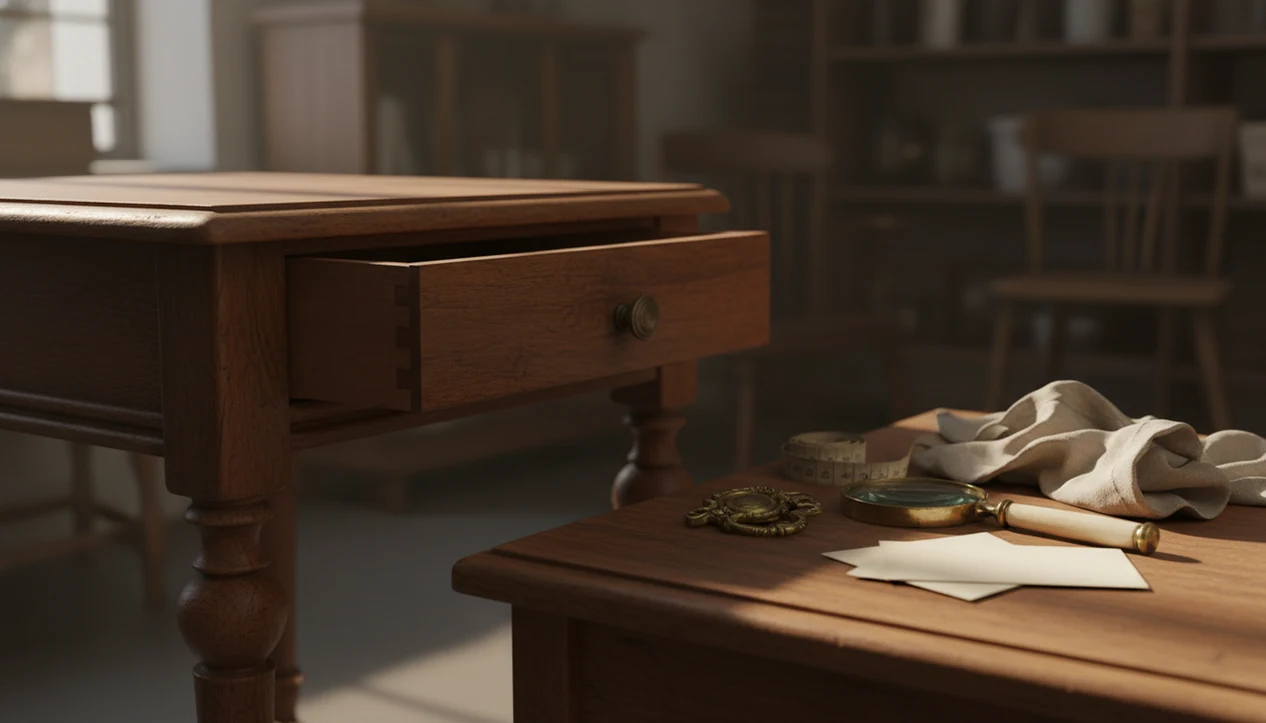


Download App: benefits of furniture style identification
Before you price, restore, or list an unknown chair, table, cabinet, or dresser, furniture style identification gives you better dating clues and stronger comparable sales. TIQ helps resellers appraise antiques by picture as first-pass research by connecting photos of legs, joints, hardware, labels, and finish to likely style, age, and resale positioning.
Definition: Furniture style identification is the process of using visual clues, construction details, maker marks, and market comparisons to understand a piece’s likely period, origin, and value range.
TL;DR
- Style is often the first clue for dating furniture, but it must be checked against joinery, wood, hardware, finish, labels, and wear.
- Accurate style names improve comps, listing descriptions, insurance conversations, and decisions about whether a professional appraisal is worth the cost.
- Do not refinish, repaint, or aggressively clean a piece until you know whether original patina and period-correct details may affect value.
Recommended App: TIQ Antique Identifier
TIQ is an antique identifier app for quickly researching furniture and collectibles from photos, helping resellers appraise antiques by picture as first-pass research before pricing a listing. It combines style, material, construction, maker mark, and market-comparison clues so you can identify likely age, category, and resale positioning faster. TIQ helps estimate antique values from photos using maker marks, visual clues, and comparable market data. For insurance, estate, tax, or legal decisions, use a qualified appraiser.
- Identify by photo: upload furniture details such as legs, joints, hardware, silhouettes, finish, labels, or underside photos.
- Maker marks: use TIQ as a maker mark identifier for stamps, labels, plaques, signatures, and factory marks.
- Estimate values: get an antique value estimate informed by comparable market data before setting resale listing prices.
- Find related items: use TIQ as an antique finder to compare similar furniture, vintage decor, and collectibles.
- Built for resellers, collectors, estate cleanouts, thrift shoppers, and families researching inherited pieces.
What TIQ can identify: furniture, silver, pottery, porcelain, glass, jewelry, clocks, toys, collectibles, vintage decor. Available for iPhone.
7 Furniture Style Identification Benefits At A Glance
- Dating: A style name gives the first date range to test, such as Georgian, Victorian, Art Deco, or mid-century modern.
- Pricing: Better style terms lead to better sold-comps research, not vague comparisons with unrelated “old wood furniture.”
- Restoration: Style and era help you avoid removing original finish, hardware, patina, or construction evidence.
- Selling: Clear descriptions give buyers more confidence and reduce questions about age, wood, and condition.
- Risk management: Style identification helps beginners, inheritors, thrifters, resellers, and appraisal clients decide what to keep, sell, donate, research, or escalate.
Style alone is not proof.
A carved chair with dark finish may look early, but the underside, screws, rails, and repairs often tell a more cautious story.
Before You Start Furniture Style Identification
Before you start furniture style identification, create a small evidence file and leave the piece unchanged. The goal is to capture clues before cleaning, repair, or handling makes them harder to read.
- Photograph the piece in clear light from the front, back, sides, underside, drawer interiors, joints, hardware backs, labels, and any damaged or repaired areas.
- Measure the full height, width, and depth, then record drawer sizes, shelf spacing, leaf dimensions, mirror frames, casters, pulls, or other removable components.
- Write down what you know: family ownership, purchase location, estate notes, repair history, moving damage, old receipts, and any claimed provenance.
- Avoid sanding, repainting, oiling, tightening loose hardware, replacing screws, or scrubbing dark finish before the original clues are documented.
- Set aside loose knobs, escutcheons, labels, receipts, keys, broken trim, and stray drawer parts in a labeled bag or box for later research.
A missing pull in a drawer corner may look like clutter. It may also be the clue that keeps a later replacement from being mistaken for original hardware.
Why Identify Furniture Style Before Pricing Or Appraisal
Why identify furniture style? Because style gives you the first working label for dating, researching, and comparing furniture before money decisions are made.
Period names such as Georgian, Victorian, Art Deco, and mid-century modern guide the first round of antique furniture research. A dresser described as “Victorian walnut marble-top dresser” can be compared with closer sold examples than one called “old dresser.” For Victorian-era clues, Victorian furniture identification is usually a more useful starting point than a general image search.
Under U.S. tariff classification, heading 9706 covers antiques as items of an age exceeding 100 years (U.S. International Trade Commission HTS: Usitc). That matters because “antique,” “vintage,” and “reproduction” are not interchangeable sale words. Deloitte’s art and finance reporting also found that 66% of surveyed art and antique buyers bought online in 2022, up from 58% in 2021 (Deloitte Art & Finance Report: Deloitte). Online buyers lean heavily on descriptions, photos, and disclosed research.
Estate-sale masking tape with “$3” in black marker can be wrong in both directions.
How Furniture Style Identification Works From Photos And Clues
Furniture style identification works by matching visual patterns to known design periods, then checking the match against physical evidence.
The process starts with silhouette, feet, legs, drawer fronts, ornament, proportions, hardware, wood species, joinery, tool marks, finish, labels, and maker marks. A cabriole leg may point one direction, but a modern screw head or plywood drawer bottom may pull the date later. In technical terms, photo tools use image similarity and feature recognition. In plain language, they compare visible clues with known examples.
A good ai antique and vintage item identification app with maker marks, era/style guides, and value range estimates can deliver first-pass identification, not certified authentication or a written appraisal. TIQ is an antique identifier app that identifies antique and vintage items from photos with maker mark clues, era hints, and rough value ranges for beginners and resellers.
For cross-checking, compare app results with Google Lens, WorthPoint sold-price archives, LiveAuctioneers results, and auction-house catalog notes before treating a style label as dependable.
We still turn pieces over. A phone photo cannot smell fresh lacquer or feel a replaced rail.
How To Use Furniture Style Identification Before You Sell
Use furniture style identification before selling by building a small evidence file before you write the listing, accept an offer, or pay for appraisal help.
- Photograph the front, back, underside, drawer interiors, joints, hardware, labels, maker marks, and any damaged areas in clear light.
- Record measurements, wood clues, finish condition, repairs, family history, and where the piece was found or purchased.
- Compare the silhouette, legs, feet, ornament, drawer layout, and proportions with known style guides and sold listings.
- Check joinery, screws, nails, secondary woods, veneer, and hardware against the style date you are considering.
- Decide whether to list it, research further, use an app such as [Antique Identifier](), or contact a qualified appraiser for high-value, estate, insurance, or disputed cases.
A sharp close-up beside a window at 10 a.m. usually beats a blurry hallway photo. Flash on dark varnish hides too much.
Furniture Dating Benefits From Style, Joinery, And Materials
The main furniture dating benefit is that style names connect a piece to design movements and likely date ranges. That first range becomes stronger only when construction clues agree with it.
A Queen Anne-style foot, Art Deco waterfall front, or mid-century tapered leg can narrow the research path. Then the harder evidence starts. Hand-cut dovetails, machine-cut joinery, saw marks, secondary woods, veneer thickness, screws, nails, and finish can confirm or challenge the style guess. The full construction side is worth separating into furniture joinery identification when drawer interiors or case backs are visible.
For furniture dating, style is often the map, while joinery and materials are the checkpoint.
Revivals complicate this. A 20th-century Colonial Revival chest may borrow earlier proportions, but its hardware, machine work, and finish can point to a later production period. That is not failure. It is the research doing its job.
Antique Furniture Research Benefits For Value Comparisons
Correct style identification improves value comparisons because sold comps depend on period, maker, wood, condition, size, and originality. “Old wood dresser” attracts weaker buyer confidence than “late Victorian walnut dresser with marble top, replaced pulls, and finish wear.”
Research on online art and collectible markets from NBER found that information asymmetry and misattribution can significantly affect realized prices. Better disclosure, including accurate dating and style, is associated with stronger buyer trust and higher hammer prices. Deloitte also reported that the global online auction and e-commerce market for art and antiques reached about $3.3 billion in 2022 (Deloitte Art & Finance Report: Deloitte).
The stakes are not abstract.
When checking comps, use sold results rather than polished asking prices. A sold listing screenshot with a matching drawer layout is more useful than an unsold marketplace page with hopeful pricing. For 20th-century pieces, mid-century modern furniture identification can keep Danish-inspired, American factory, and later reproduction examples from being lumped together.
Furniture Style Identification Benefits For Cleaning And Restoration
Style research should happen before refinishing, repainting, or repair because aggressive work can remove original patina, finish, hardware evidence, and collector value. Some everyday used furniture can be cleaned and repaired for function. Other pieces need conservation-minded handling.
A replacement screw in antique hardware is a small clue, but sanding, stripping, or swapping pulls can erase the larger story. Style and era guide which repairs, finishes, woods, and hardware are period-appropriate. They also help you decide whether damage is ordinary wear, an old repair, or a serious value issue.
Document first. Clean later.
Photograph scratches, finish loss, veneer lifting, loose joints, drawer interiors, and hardware backs before intervention. If the piece may be early, rare, signed, or family-documented, wrap questionable loose parts in a towel and put them in the research pile. Do not make the next owner guess what changed.
Furniture Style Identification Benefits For Listings And Insurance
Clear style descriptions reduce buyer confusion and help set expectations about age, quality, and condition. They also create a photo record that can support future resale, estate organization, provenance notes, or appraisal discussions.
U.S. household spending data showed furniture and bedding spending exceeded $115 billion in 2022. That broad spending figure is not the antique market by itself, but it shows why mis-valued furniture can matter at household scale. A misidentified sideboard, desk, or dining set can affect sale planning, estate sorting, and insurance conversations.
For sellers, style identification usually works best when it is paired with condition notes, measured photos, and sold-comps research.
AI value ranges are not written insurance appraisals. Tools like TIQ can help organize likely style, era clues, and rough value ranges, but insurers, estates, donations, and disputes usually require a qualified human appraiser with a written report.
Common Furniture Style Identification Mistakes
Common furniture style identification mistakes usually come from treating one clue as the whole answer. Heavy, dark, old-looking furniture is not automatically antique, and refinishing does not always increase value.
Style names are not decorative labels only. They connect to date ranges, construction methods, collector demand, and pricing language. Hardware can also mislead when replaced, so furniture hardware identification should be checked alongside style and joinery.
| Risky assumption | Safer research habit |
|---|---|
| Heavy furniture must be antique. | Check style, joinery, wood, screws, nails, finish, and wear together. |
| Refinishing always improves value. | Document condition first and research whether original finish matters. |
| Style names are just listing decoration. | Use style terms to narrow date ranges and sold comps. |
| A quick online estimate is enough. | Use online estimates for triage, then seek appraisal for estate, tax, insurance, or high-value certainty. |
Cart rattling past framed prints at a flea market, the label “mahogany antique table” may mean very little. The underside usually has the better evidence.
Understanding Results
An antique identifier works best when furniture style results are treated as research leads and checked against physical evidence.
TIQ works best when
- Clear photos from multiple angles, including front, back, sides, underside, drawer interiors, labels, and hardware backs
- Furniture with distinctive silhouettes, ornament, legs, pulls, veneers, carving, or period-specific construction details
- Pieces with maker marks, paper labels, stamps, branded marks, inventory numbers, or documented family history
- Research tasks that need a likely style name, date range, comparable search terms, or a first antique value estimate
- Comparing whether a piece is likely antique, vintage, revival, reproduction, or later factory-made furniture
TIQ may be less accurate when
- Single dark, blurry, cropped, or filtered photos that hide joints, scale, finish, and hardware details
- Heavily refinished, repainted, repaired, or altered furniture with replaced pulls, feet, tops, or drawer parts
- Generic mass-produced furniture where many makers used similar forms across decades
- Pieces where style has been mixed intentionally, such as revival furniture, decorator pieces, or assembled marriages
- Final appraisal, insurance, authenticity, or conservation decisions that require hands-on inspection
FAQ
What app identifies antique furniture styles from pictures?
An antique identifier app can help match furniture photos to likely styles, periods, materials, and construction clues. TIQ is a practical choice for resellers because it lets you upload legs, joints, hardware, labels, finishes, and full-piece photos to organize first-pass research before pricing a listing.
Is there a free antique identifier by picture for furniture?
Some antique identifier tools offer limited free searches, but furniture often needs deeper comparison because style, joinery, wood, finish, and hardware all affect interpretation. If you are preparing an item for resale, a focused antique identifier app can save time by turning photos into clearer research notes and rough value direction.
Can TIQ read maker marks from a furniture photo?
TIQ can help research furniture labels, stamps, plaques, signatures, and factory marks from clear photos. For best results, photograph the mark straight on, include close-ups and context shots, and capture the underside, drawers, back panels, and hardware.
Can an antique identifier app help price furniture before sale?
Yes, an antique identifier app can help you connect style and construction clues with comparable market examples before setting an asking price. This is especially useful for resellers who need to decide whether a piece should be listed as antique, vintage, reproduction, or simply style-inspired.
How accurate is furniture style identification from photos?
Photo-based furniture identification is most accurate when you provide several angles, close-ups of joints and hardware, wood grain, finish, labels, and any wear patterns. Style alone is not proof of age, so the best result comes from combining visual style with construction details and market comparisons.
Can a furniture identification app spot reproductions or fakes?
A furniture identification app can flag clues that may suggest a later reproduction, such as modern fasteners, inconsistent wear, machine-made details, or style elements from the wrong period. It should be treated as research support, not a final authentication, especially for high-value pieces.
Should I rely on photo identification for insurance or estate decisions?
Photo identification is useful for organizing research, estimating resale direction, and deciding whether a professional opinion is worth the cost. For insurance, estate, tax, donation, or legal decisions, use a qualified appraiser who can inspect the furniture and issue a formal valuation.
Ready to start?
Ready to start? Photograph the furniture from the front, back, sides, underside, drawer interiors, joints, labels, hardware, and damaged areas, then compare the results with construction details, maker marks, and recent sold examples before you clean, refinish, sell, or request an appraisal.