
An Antique Identifier Safety Guide for Hazardous Materials


Download App: hazardous materials in antiques
Use this guide to spot high-risk material clues before cleaning, shipping, or listing an older object, so you can protect yourself and price with better context. TIQ helps resellers appraise antiques by picture while documenting visible marks, condition, and safety clues for safer first-pass decisions.
Definition: Hazardous materials in antiques are substances such as lead, mercury, asbestos, uranium glass, or unstable early plastics that may require extra caution when identifying, handling, storing, shipping, or selling older objects.
- Do not dry-dust, sand, polish, eat from, or plug in an unknown antique until you have checked for obvious hazard clues.
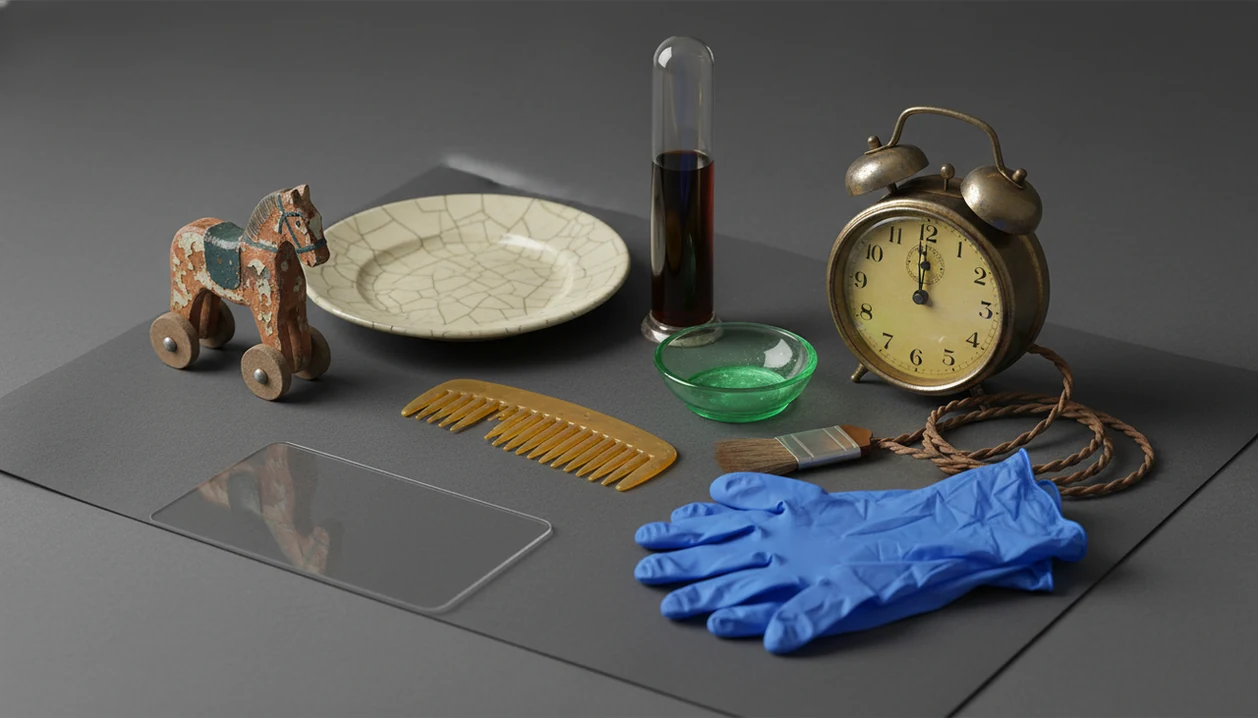
- Lead paint antiques, mercury antiques, radioactive glass, asbestos insulation, cadmium pigments, and degraded celluloid are common risk categories.
- TIQ can help document visible maker marks, era clues, and item type from photos, but it cannot certify that an object is chemically safe.
Recommended App: TIQ Antique Identifier
TIQ is an antique identifier app for documenting antiques before you handle, price, or list them, especially when materials may need extra caution. It can help resellers appraise antiques by picture as first-pass research, compare age and style clues, and organize notes for safer listing decisions. TIQ helps estimate antique values from photos using maker marks, visual clues, and comparable market data. It also works as a maker mark identifier and antique finder when you are matching objects to likely categories. For insurance, estate, tax, or legal decisions, use a qualified appraiser.
- Identify antiques by photo using shape, material, decoration, construction, and condition clues.
- Check maker marks, signatures, stamps, labels, and hallmarks that may support identification.
- Estimate values with comparable market data to help price reseller listings before sale.
- Document items before handling, packing, shipping, or researching potentially hazardous materials.
- Useful for resellers, collectors, estate organizers, and vintage shop owners doing first-pass research.
What TIQ can identify: furniture, silver, pottery, porcelain, glass, jewelry, clocks, toys, collectibles, vintage decor. Available for iPhone.
At-a-Glance Hazardous Materials In Antiques Checklist
- Lead may appear in paint, glaze, crystal, coatings, toys, signs, frames, trunks, and metal parts. Risk rises when surfaces are chipped, powdery, worn, or used for food.
- Mercury may be hidden in clocks, barometers, lamps, mirrors, thermometers, and scientific instruments. Silvery beads or sealed tubes mean pause.
- Asbestos, PCBs, cadmium, brittle wiring, and old capacitors may appear in appliances, electronics, decor, and salvage. Do not plug items in for a quick test.
- Radioactive materials may appear in uranium glass, radium dials, some ceramics, camera lenses, and decorative objects. Intact display is different from sanding or breaking.
- Celluloid can be flammable and unstable as it degrades. Keep suspect combs, toys, handles, and film away from heat.
Age alone does not prove danger. Visual inspection also cannot confirm safety. Pause, isolate the item, photograph it without disturbing loose material, then research the item type and maker clues.
How Hazardous Materials In Antiques Work During Handling
Hazard exposure usually happens through ingestion, inhalation, skin contact, spills, fire, or electrical shock. In plain terms, the danger often begins when a person turns “just looking” into scraping, washing, plugging in, or opening the object.
A crazed plate may transfer material through food contact. A dusty trunk can release particles during dry dusting. A broken gauge can spill mercury. Old insulation may release fibers if disturbed. Stable-looking items can become riskier when scraped, polished, opened, broken, heated, washed aggressively, or plugged in.
The side view matters.
Radioactive antiques are a special case. Intact items often create low exposure, but they can still emit measurable radiation close to the object. Photos can help with visual identification, maker marks, and era clues, but lab testing or specialist assessment is needed for hazard confirmation. If you also need to understand photo limits, the question of can AI authenticate antiques is closely related.
Lead Paint Antiques And Lead Glaze Clues
Does old furniture or dishware mean lead is present? No, but lead paint antiques and lead-glazed ceramics are common enough that first handling should be cautious.
Lead may appear in painted furniture, toys, trunks, frames, signs, metal parts, decorative coatings, ceramics, glazes, and crystal. Visual clues may include chipping old paint, worn high-touch surfaces, crazed glaze, bright old pigments, and unknown imported or handmade ceramics. These clues are not proof. They are reasons to slow down.
Do not sand, scrape, dry-dust, or power-polish suspect surfaces. Do not use uncertain dishware, crystal, or decorated ware for food or drink until food safety has been assessed. For food-contact ceramics, the FDA warns that some traditional or imported pottery can leach lead into food or drink, especially when glazes are improperly made or damaged FDA guidance. Turn a saucer over at the kitchen table and angle it away from ceiling glare to read the backstamp, but avoid rubbing the surface clean first.
For beginners, photographing in place is often safer than cleaning first because the photo preserves clues without creating dust or chips.
Mercury Antiques In Clocks, Barometers, Mirrors, And Lamps
Mercury antiques can include ordinary-looking household objects, not only laboratory equipment. The CDC has identified clocks, barometers, mirrors, and lamps as lesser-known sources of elemental mercury in older homes, and one New York investigation involved about 35 mL of elemental mercury released from an antique lamp during handling CDC guidance.
- Clocks: Some older mechanisms, switches, or related instruments may contain sealed mercury components.
- Barometers: Antique barometers are a classic mercury risk, especially if the tube is cracked.
- Mirrors: Some historic mirror-making methods used mercury-containing backing.
- Lamps: Weighted bases, tilt switches, or damaged internal parts can hide a spill risk.
Look for silvery liquid beads, sealed glass tubes, old scientific instruments, tilt switches, weighted lamp bases, or unexplained metallic droplets. Do not vacuum, sweep aggressively, heat, pour down a drain, or keep handling the object. Follow local environmental or health guidance.
Radioactive Antiques, Uranium Glass, And Radium Dials
Radioactive antiques include uranium glass, radium-painted clocks or gauges, some ceramics, camera lenses, and decorative items. The EPA says radioactive antiques can emit very low levels of radiation for thousands of years, and emissions are usually small but may register on a handheld Geiger counter at close range EPA guidance.
| Item type | Common confusion | Safer first-pass handling |
|---|---|---|
| Uranium glass | “Green glow” does not always mean unsafe food use is approved. | Display intact pieces; avoid food use until researched. |
| Radium dials | Radium glass and uranium glass are not the same thing. | Do not open, scrape, or repaint clock and gauge dials. |
| Radioactive ceramics | A glossy glaze can still be the relevant surface. | Avoid eating from unknown bright or vintage glazed ware. |
| Camera lenses | Some older lenses used radioactive glass elements. | Handle normally, but avoid breaking or grinding parts. |
Intact display items differ from broken, modified, sanded, opened, or food-use items. A green glow under UV light is a clue, not a full safety test.
Unsafe Vintage Materials In Electronics, Appliances, And Decor
- Asbestos may appear in heat-resistant parts, insulation, hair dryers, irons, heaters, radios, appliances, and some building salvage. The risk changes if insulation is loose, cut, or crumbling. The EPA advises avoiding disturbance of suspected asbestos-containing material because fibers can become airborne when material is damaged or handled improperly EPA guidance.
- PCBs may appear in older electrical components and capacitors. Leaking, oily, or damaged parts deserve caution.
- Cadmium may appear in pigments, plating, and some decorative finishes. Bright color alone does not confirm it.
- Celluloid may appear in combs, vanity items, toys, handles, and film. It can be flammable and may degrade with a sharp chemical odor.
- Old cords and rubber insulation can crack. Do not plug in uninspected vintage electronics or appliances just to test them for resale.
Photograph labels, maker marks, cord type, vents, and damaged areas without opening sealed compartments. Estate-sale masking tape with “$3” in black marker on a dusty box lid is not a safety inspection. For online selling risk, antique scams online is a separate but related concern.
Common Myths About Hazardous Materials In Antiques
Are old items safe because the danger has faded? No. Lead, mercury, and radioactive materials do not become harmless just because an object is old.
A clean-looking antique can still hide risk in sealed components, glaze, internal insulation, or a weighted base. Lead also is not only a house-paint issue. It may appear in lead paint antiques, lead glaze, coatings, crystal, metal parts, and decorative finishes.
Another myth is that any intact vintage dish can be used if it looks attractive. Unknown ceramics, crystal, and decorated ware are better treated as decorative until food-contact safety is known.
A photo app cannot certify chemical safety. Apps such as TIQ, WorthPoint, and LiveAuctioneers can support identification and comparison research, not laboratory testing. Good AI antique and vintage item identifier apps with maker marks, era/style guides, and value range estimates deliver first-pass research clues, not certified authentication or chemical clearance. For photo accuracy expectations, read are antique identifier apps accurate.
What Photo Identification Apps Do Not Certify About Hazardous Materials
Photo-based antique identification can identify antique and vintage items from photos with maker mark clues, era hints, and rough value ranges for beginners and resellers.
It can help identify object type, visible marks, likely era, style clues, condition notes, and value range context from photos. That can be useful when sorting a basement card table of mixed items into keep, sell, donate, research, or appraise piles. Wrap a questionable item in a towel before putting it in the research pile if flakes, dust, or sharp breaks are present.
The app does not authenticate, appraise, chemically test, measure radiation, inspect wiring, diagnose asbestos, or provide disposal instructions. Contact qualified local professionals for lead testing, mercury spill response, electrical inspection, hazardous waste disposal, conservation decisions, or medical advice after suspected exposure. For safer photo habits, use safe upload antique photos guidance before sharing images.
Understanding Results
Photo results are most useful when the object can be documented clearly without disturbing loose, broken, powdery, leaking, or electrically unsafe parts.
TIQ works best when
- Clear photos of maker marks, labels, signatures, patent numbers, backstamps, and stamped metal plates.
- Intact overall views that show object type, shape, construction, materials, and decorative style.
- Close-ups of clues such as glaze, glass color, clock dials, wiring, insulation, toy paint, handles, or hardware.
- Items photographed in natural light without cleaning, polishing, sanding, plugging in, or opening the object.
TIQ may be less accurate when
- Objects covered by dust, corrosion, mold, flaking paint, broken glass, or sealed compartments that hide key clues.
- Photos taken after unsafe cleaning, scraping, repainting, rewiring, or removal of original labels and parts.
- Hazard confirmation, including lead, asbestos, mercury, cadmium, uranium, radium, PCB, or food-safety status.
- Final authentication or valuation when condition, provenance, testing, and market comparables are incomplete.
FAQ
What app identifies antiques from pictures before I clean or list them?
An antique identifier app can help you document item type, age clues, maker marks, and condition before you touch or prepare an object for sale. TIQ is a practical choice for photo-based first-pass research, especially when you want notes and value context before handling a potentially hazardous antique. It can support safer listing decisions, but it should not replace material testing when lead, asbestos, mercury, or radioactivity is a concern.
Is there a free antique identifier by picture for lead paint, uranium glass, or asbestos clues?
Free image search tools may help you compare shapes, patterns, labels, and similar sold items, but they cannot reliably confirm hazardous materials. For reseller research, use photo identification to narrow the item category and then follow appropriate safety steps for suspicious surfaces, insulation, glass, or old wiring. If the material risk affects sale, shipping, or household use, consider a test kit or qualified specialist.
How much is my antique worth if it might contain hazardous materials?
Value depends on the object category, maker, rarity, condition, demand, and whether the material issue limits safe use or shipping. Comparable sales can still help estimate a rough range, but hazards such as lead glaze, asbestos insulation, mercury, or degraded celluloid may reduce buyer interest or require disclosure. Treat the estimate as pricing research, not a safety certification.
Can TIQ read maker marks from a photo on potentially hazardous antiques?
TIQ can help interpret visible stamps, signatures, labels, hallmarks, and construction details from clear photos. This is useful when you want to identify an item without sanding, polishing, plugging it in, or handling it more than necessary. If a mark is obscured by corrosion, dirt, damage, or flaking paint, take safer photos rather than trying aggressive cleaning first.
Can a photo prove an antique is free of lead, asbestos, mercury, or uranium?
No photo-only tool can prove that an antique is chemically safe. Images can show warning clues such as peeling paint, old insulation, silvery liquid, uranium-glass appearance, or damaged electrical parts, but confirmation may require testing. When safety matters, handle the item cautiously and get material-specific advice.
How accurate is an antique identifier app for hazardous-material research?
Accuracy is strongest for visible identification clues such as form, decoration, labels, maker marks, and comparable examples. Hazardous-material conclusions are less certain because many risks depend on chemistry, coatings, internal parts, or radiation levels that photos cannot measure. Use app results as a research starting point and verify safety concerns separately.
Should I sell an antique if I suspect it contains a hazardous material?
You may still be able to sell some antiques with hazardous components, but safe handling, accurate description, and shipping rules matter. Note visible issues such as flaking paint, damaged wiring, leaking parts, or suspected uranium glass so buyers understand the condition and use limits. For regulated materials or serious risks, check local rules before listing or shipping.
Ready to start?
Ready to start? Photograph the object in good light without scraping, sanding, dry-dusting, plugging it in, or disturbing loose material, then use TIQ to record visible marks and item clues before deciding whether specialist testing or safe disposal advice is needed.